Beth Anderson 5 min read · Apr 23, 2026
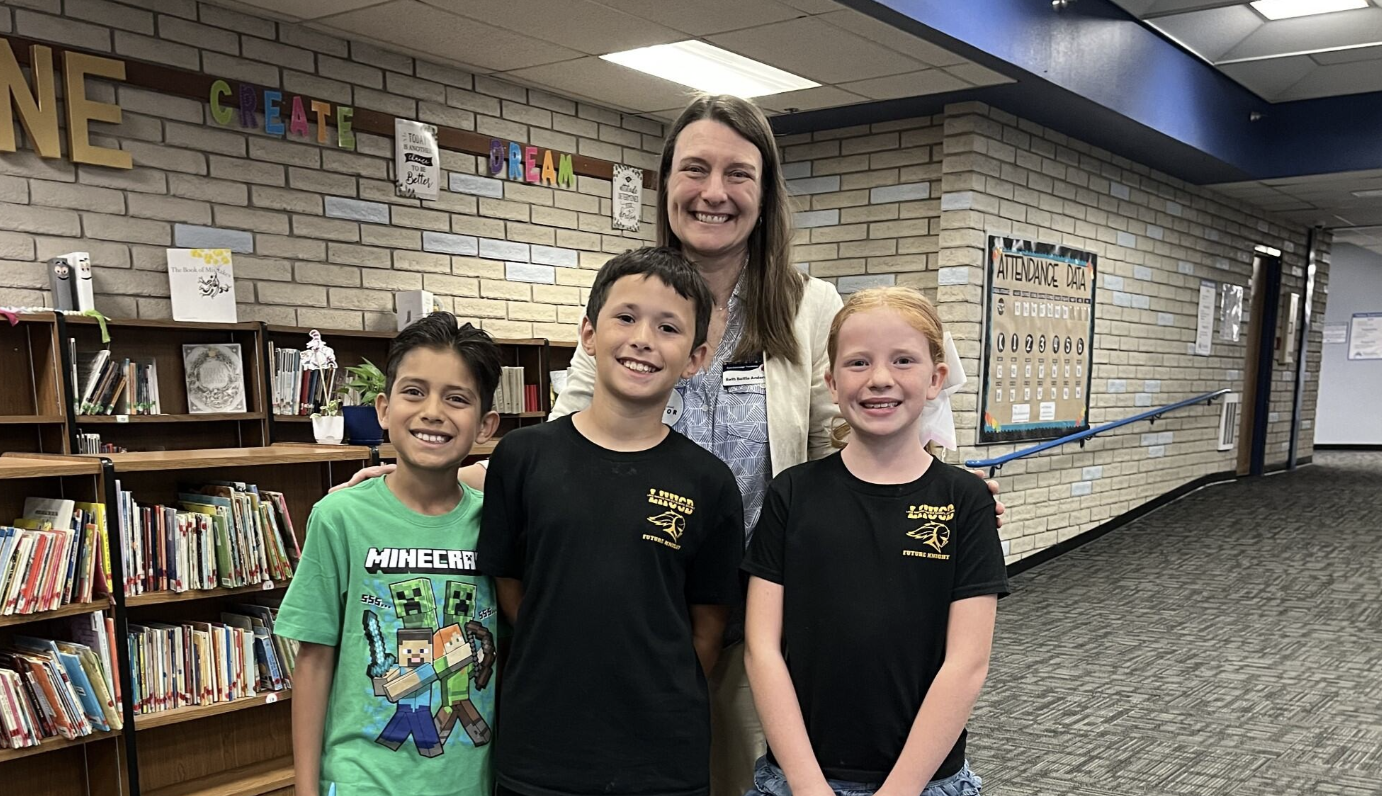
In March, I walked into a classroom in Lake Havasu Unified School District knowing this wasn’t a typical school system.
It’s one of the only districts in the country to fully adopt the Core Knowledge curriculum, district-wide.
But even so, I wasn’t prepared for what I saw.
What I saw was something harder to describe in slogans, but easy to recognize in practice.
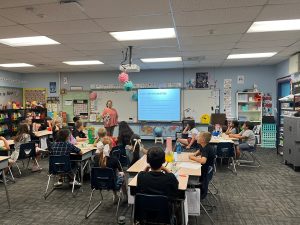
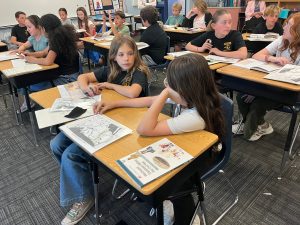
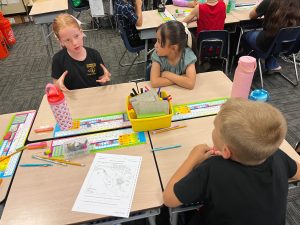
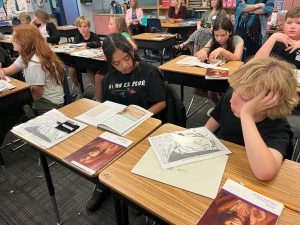
Students were talking to each other about what they had learned. Not repeating phrases. Not guessing.
Explaining ideas clearly, using language that felt unusually precise for their age.
Grade 5 Roundtable · Video courtesy of Lake Havasu United School District
And most importantly: they expected to understand each other.
That expectation changes everything.
A system, not an exception
What stood out quickly was that this wasn’t happening in one isolated classroom.
It was happening across the district.
As Shannon Williams, principal at Nautilus Elementary School, explained:
“For the whole district to have one curriculum from kindergarten all the way up was huge.”
That consistency matters more than it sounds.
Because it removes randomness from what children experience year to year, and replaces it with progression.
Teaching that feels different for teachers and students
One of the clearest signals came from teachers themselves. Sixth grade teacher Jodi Grumet described the shift in classroom energy:
“It’s more fun to teach when it becomes a group activity rather than me just spewing information.”
That distinction is important.
This isn’t about replacing teachers with materials. It’s about changing what classroom interaction is built on: shared knowledge.
And that changes student participation too. As Kindergarten teacher Kelsey Gibbs put it:
“Now they’re using that language because we’re giving them experiences that they wouldn’t otherwise have.”

What students actually sound like when it works
Across classrooms, the pattern was consistent: students weren’t simplifying ideas down. They were building them up.
One teacher noted:
“They were learning real content, and that is what impressed us so much about the curriculum.”
Another added: “It’s not just this one class… they’re getting it across the board.”
And perhaps most tellingly, a teacher reflecting on long-term impact said:
“Wait until you get these kids. The level of knowledge coming into your high school is going to be much different.”
That’s not a small shift. It’s a trajectory change.
Why this matters beyond one district
What Lake Havasu demonstrates is not a unique talent pool or exceptional circumstance.
It is what happens when:
- curriculum is coherent
- expectations are shared
- and knowledge is treated as something cumulative, not optional
Students begin to:
- speak with more clarity
- engage in more sustained discussion
- and write with more confidence
And teachers regain something often lost: shared purpose across grade levels.
Understanding the CK approach
You’re not alone in asking questions like:
- What would happen if students built knowledge year after year without gaps?
- What changes when classrooms are anchored in shared content, not isolated lessons?
- How do we make learning more coherent without making it more rigid?
If you want to see what this looks like in practice, start here:
These are the same kinds of materials that underpin what you’ve just read.
For schools thinking about next steps
Some schools are now choosing to go further, not just using CK’s free downloadable and low-cost, high quality print materials, but aligning themselves with a broader community of practice.
We’re currently inviting schools to join as Core Knowledge Affiliate Schools as part of the CK Network.
Joining the network is free, and it provides:
- recognition of commitment to knowledge-rich education
- access to digital assets for your school community
- updates, opportunities, and shared learning across schools
A final reflection from the visit
What stood out most in Lake Havasu wasn’t any single initiative. It was coherence.
Students, teachers, and leaders all operating from the same idea: that knowledge is not something to sprinkle in, knowledge is the foundation everything else builds on.
If that feels like a conversation your school is already having, or should be having, we’d love to stay connected by subscribing to our newsletter below.